
Booth walkthrough with the artist
Leo Battistelli
In Spanish, without translation.
Open to the public.
CURATORIAL
Fuerzas Primordiales
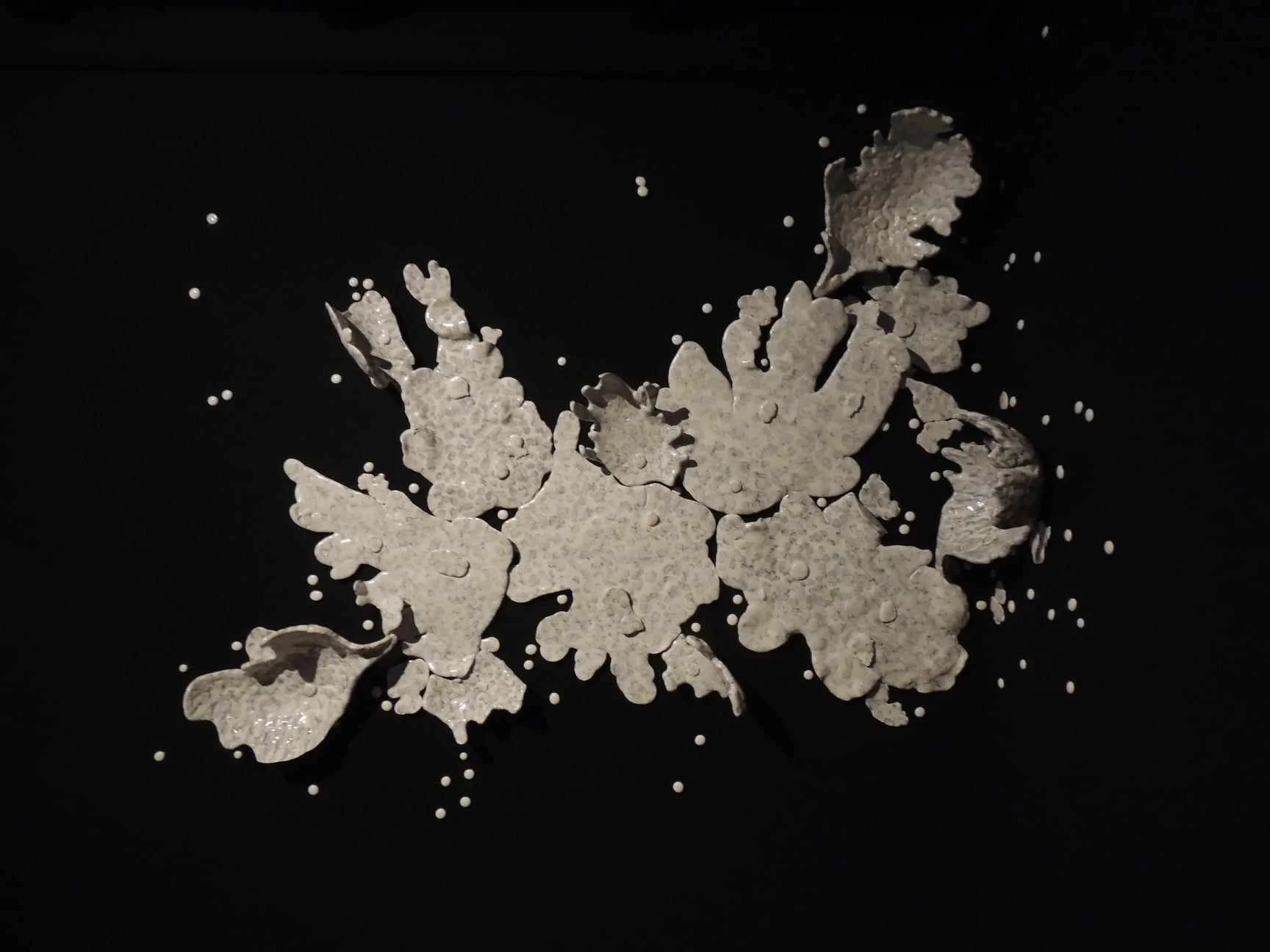
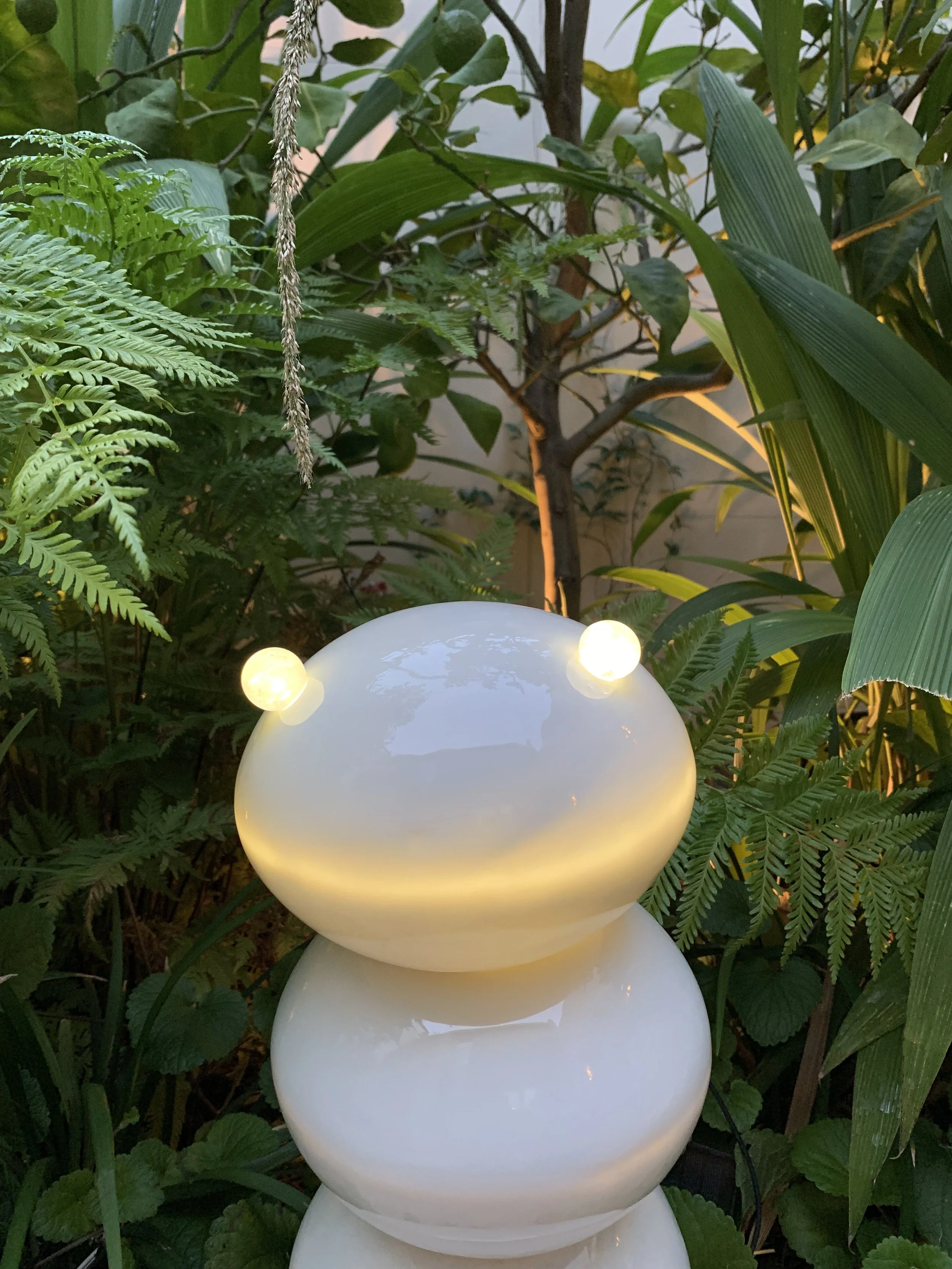
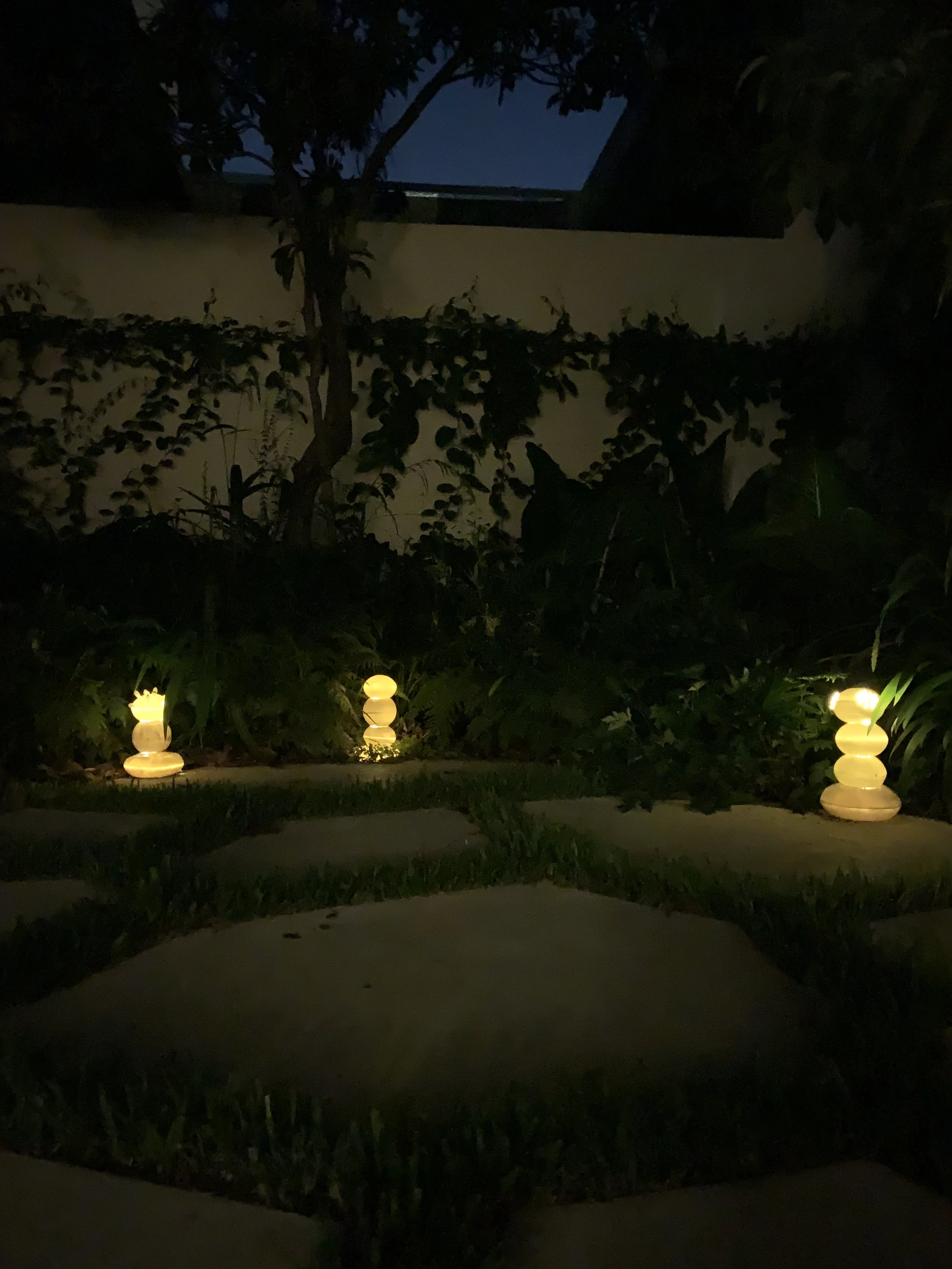
From a sensibility deeply attuned to the Earth’s energy, Leo Battistelli proposes an artistic practice that unfolds as an act of communion with Nature. His work emerges from direct engagement with the territories he inhabits, from the shores of the Paraná River in Rosario to the lush Atlantic Forest of Rio de Janeiro, and materializes as a testimony to the vital interdependence between human beings and their environment. In this site-specific project for ESTE ARTE 2026, Battistelli invites us to recognize the primordial force that resides in all forms of life, the invisible energy that sustains existence and manifests through the elements. Each piece becomes an extension of the landscape, a channel translating the world’s breath into tangible matter. The artist works with organic materials and environmentally respectful processes, affirming an ethic of making that unites art, ecology, and spirituality. His pursuit seeks to give form to the intangible, to crystallize the inexplicable nature of the universe into works that act as shields, bridges, and activators, shields that protect us from ignorance, bridges that expand perception, and activators that awaken our capacity to create in harmony with what is essential. The result is a constellation of works that transcend representation to become experiences of connection, invitations to perceive beauty as a regenerative and transformative force.
BIO
Leo Battistelli (Argentine, b. 1972) studied Sculpture at the Universidad Nacional de Rosario, later specializing in ceramics with Leo Tavella. Since 1993, he has exhibited extensively in Argentina, Brazil, the U.S., and France, at institutions including Museo Castagnino/MACRO, Fundación Klemm, MALBA, MAM São Paulo, and Fundación PROA. In 2013, his monumental work Temperantia was commissioned by Chandon for arteBA. Now based in Rio de Janeiro, Battistelli continues to develop a practice rooted in natural elements—particularly water and earth—through an alchemical lens that evokes identity, ritual, and celebration. His works are included in collections such as Eduardo Costantini, MACRO, and MALBA, among others. His use of color frequently references the exuberant tones of candombe, linking material and cultural heritage.