
ESTE ARTE
12th EDITION
JANUARY 4-7
2026
PREVIEW Sunday, January 4, 2026
VERNISSAGE Monday, January 5, 2026
OPEN TO ALL Tuesday, January 6, 2026
LAST DAY Wednesday, January 7, 2026
5 – 10 pm
PAVILION VIK
Ruta 10, Km 182,5
José Ignacio, Uruguay
info@estearte.com
AGENDA | GUESTS
(Itinerary for Bonaventure Soh Bejeng Ndikung)
SUNDAY, JANUARY 4
-
Duration: As long as needed.
Details: A member of the ESTE ARTE team will greet you upon arrival.
Location: Carrasco International Airport, Montevideo
-
Duration: 3 hours
Details: The journey from Carrasco International Airport to your hotel will take around 3 hours.
Riders: a Member of the ESTE ARTE team.
Transportation: Car service provided.
Location: Route from Carrasco International Airport, Montevideo to José Ignacio.
-
Duration: 5 hours
Event Type: By invitation only.
Details: You are cordially invited to this exclusive, invitation-only VIP event. If you would like to bring additional guests, please let us know, and we will add them to the VIP list. The dress code is effortlessly joyful.
Transportation: The venue is within walking distance from the hotel, but car service is available upon request.
Location: Pavilion VIK, José Ignacio.
-
Duration: 3 hours
Event type: Private dinner
Details: After the ESTE ARTE 2025 Preview, enjoy a private dinner.
Guests: approx. 90 people
Host: Edda and Robert Kofler, collectors and philanthropists.
Transportation: The Posada Ayana is within walking distance from the Pavilion VIK, but if you need a car service, please let us know.
Location: Posada Ayana, José Ignacio
MONDAY, JANUARY 5
-
Duration: 1 hour 30 minutes
Event Type: Public program
Details: Curatorial Frameworks, and Strategies for International Projection.
Patricia Bentancur, Curator, Uruguay Pavilion
Dermis Leon, Co-Curator, Chile Pavilion
Nahuel Ortiz, Patron, Argentina Pavilion
Moderated by Laura Bardier, Director of ESTE ARTE
Presented by César Escandarani, CEO, Planet Partners.
In Spanish, without translation.Transportation: A car service will be provided.
Location: Hotel Fasano Las Piedras, Maldonado
-
Duration: 1.5 hours
Event type: Private lunch
Details: After the ESTE CHARLA, enjoy a private lunch. By invitation only.
Guests: approx. 50 people
Host: hosted by MACA – Museo de Arte Contemporáneo Atchugarry
Transportation: Car service provided.
Location: MACA (Ruta 104 Km. 4,500, Manantiales)
-
Duration: 5 hours
Event Type: Public program accessible via invitation or ticket.
Details: This program features a vernissage celebration open to the public and a series of presentations by galleries and artists. Exhibitors will introduce their gallery programs and their artist’s work.
17:30 h | ESTE FOCUS | OTTO Galería (Buenos Aires)
Ana Rapela, artista18:10 h | ESTE FOCUS | Galerie Jocelyn Wolff (Paris)
Diego Bianchi, artista18:50 h | ESTE FOCUS | Almeida & Dale (São Paulo)
Vanderlei Lopes, artista19:30 h | ESTE FOCUS | Valerie’s Factory (Buenos Aires)
Trinidad Metz Brea, artista20:10 h | ESTE FOCUS | Xippas (Paris / Genève / Manantiales)
Vicente Grondona, artista
Manuel Neves, curador20:50 h | ESTE FOCUS | Piero Atchugarry Gallery (Miami / Garzón)
Manuel Espinosa, artistaTransportation: The venue is within walking distance from the hotel, but car service is available upon request.
Location: Pavilion VIK, José Ignacio
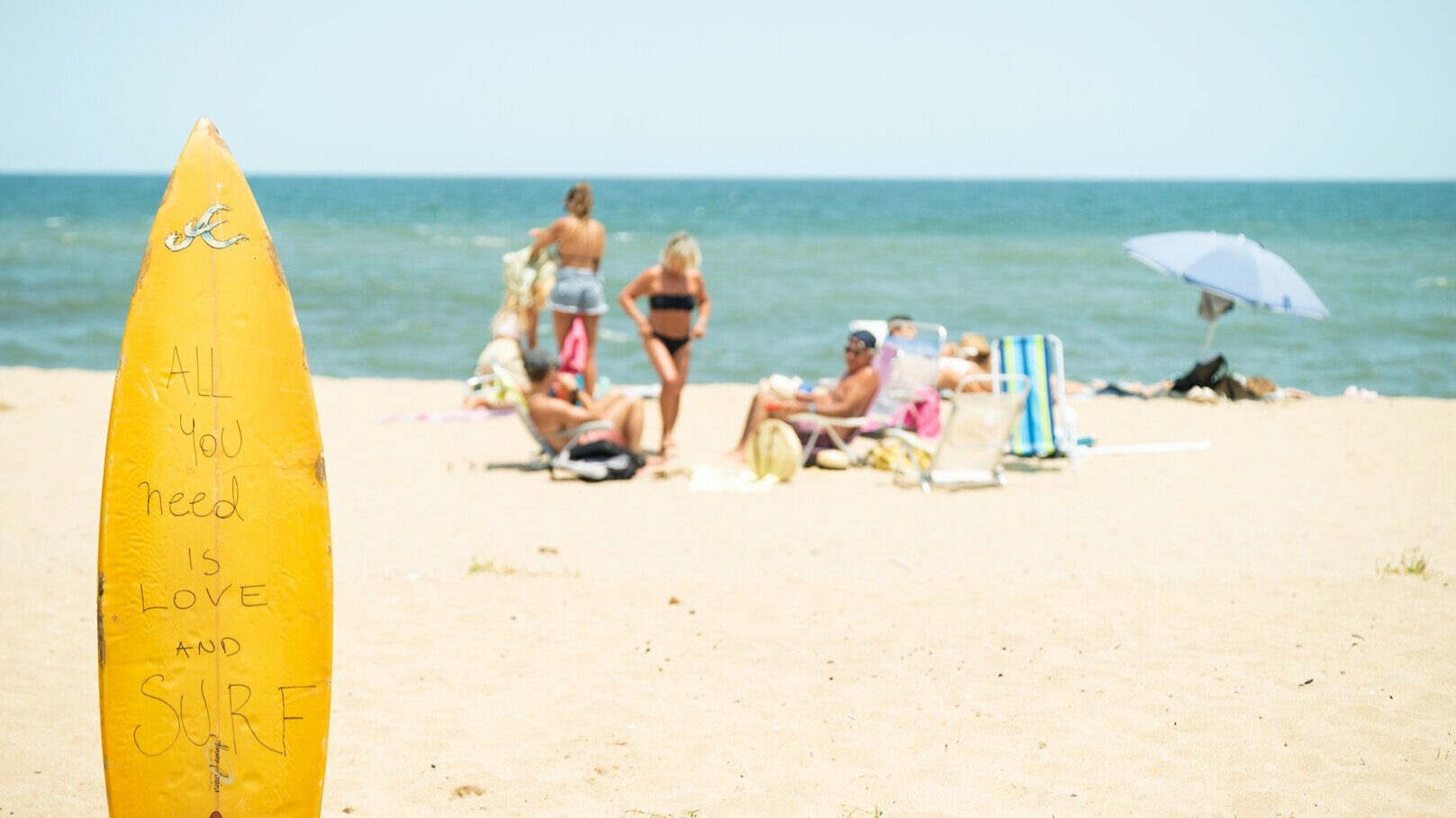

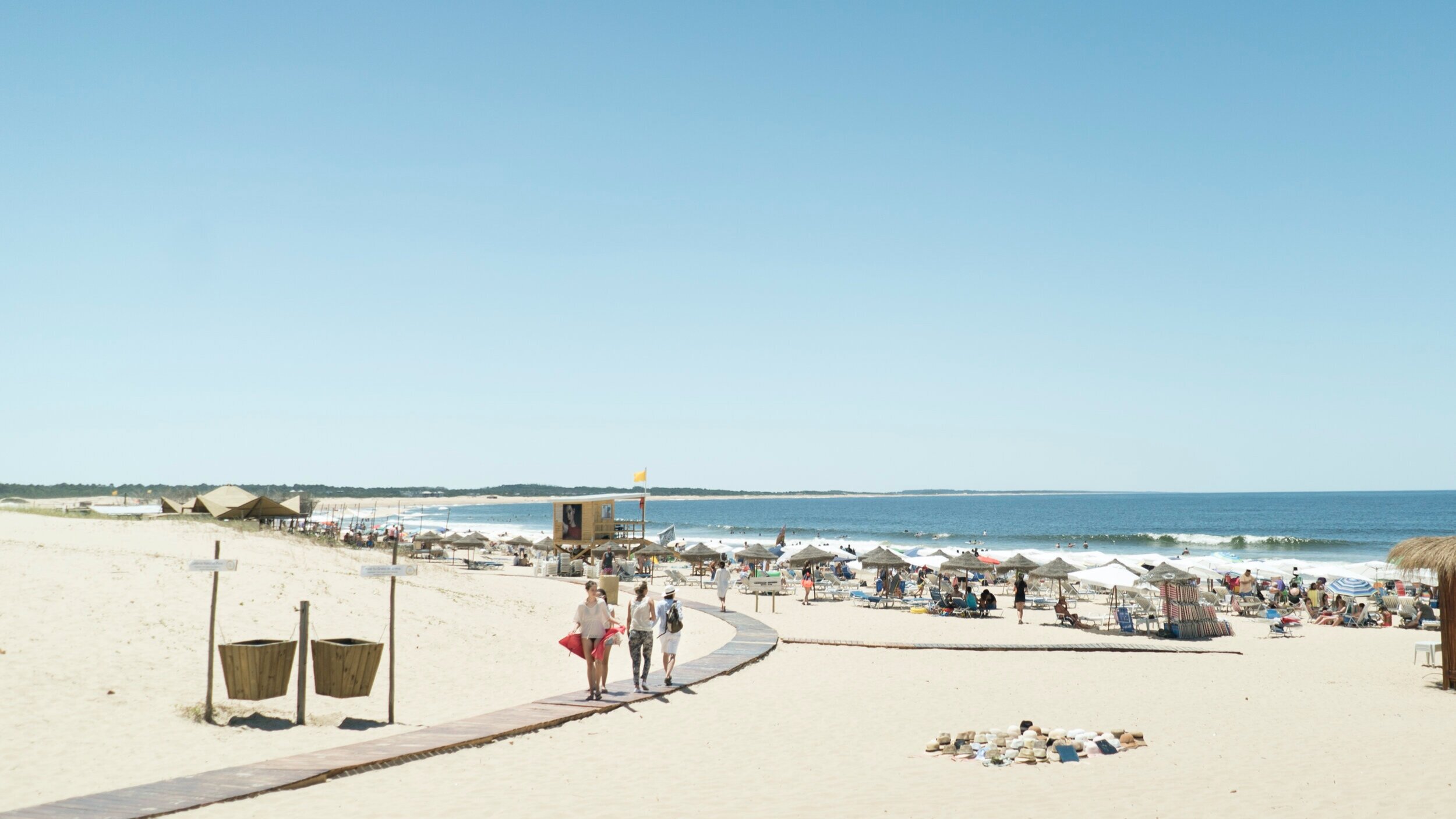

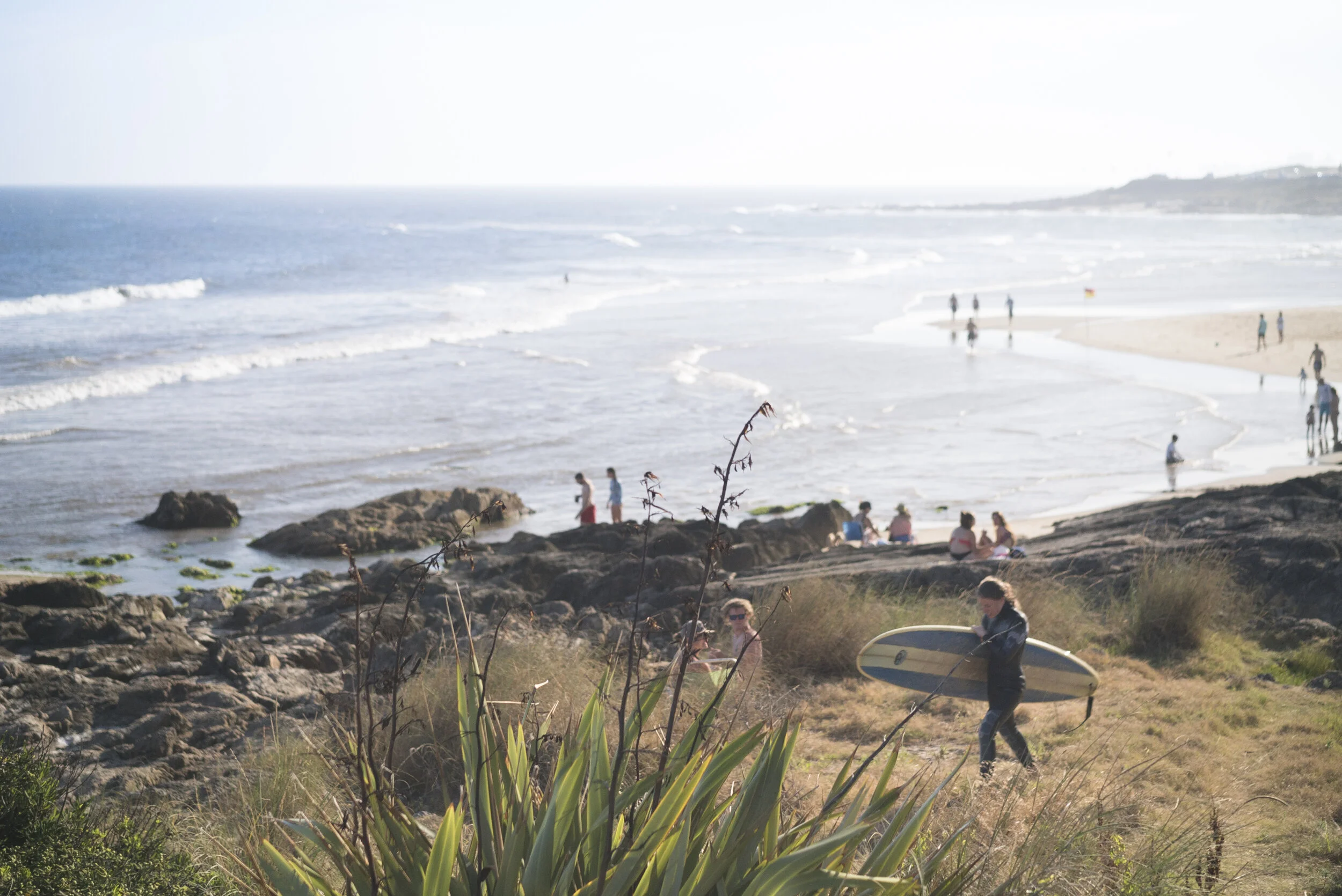

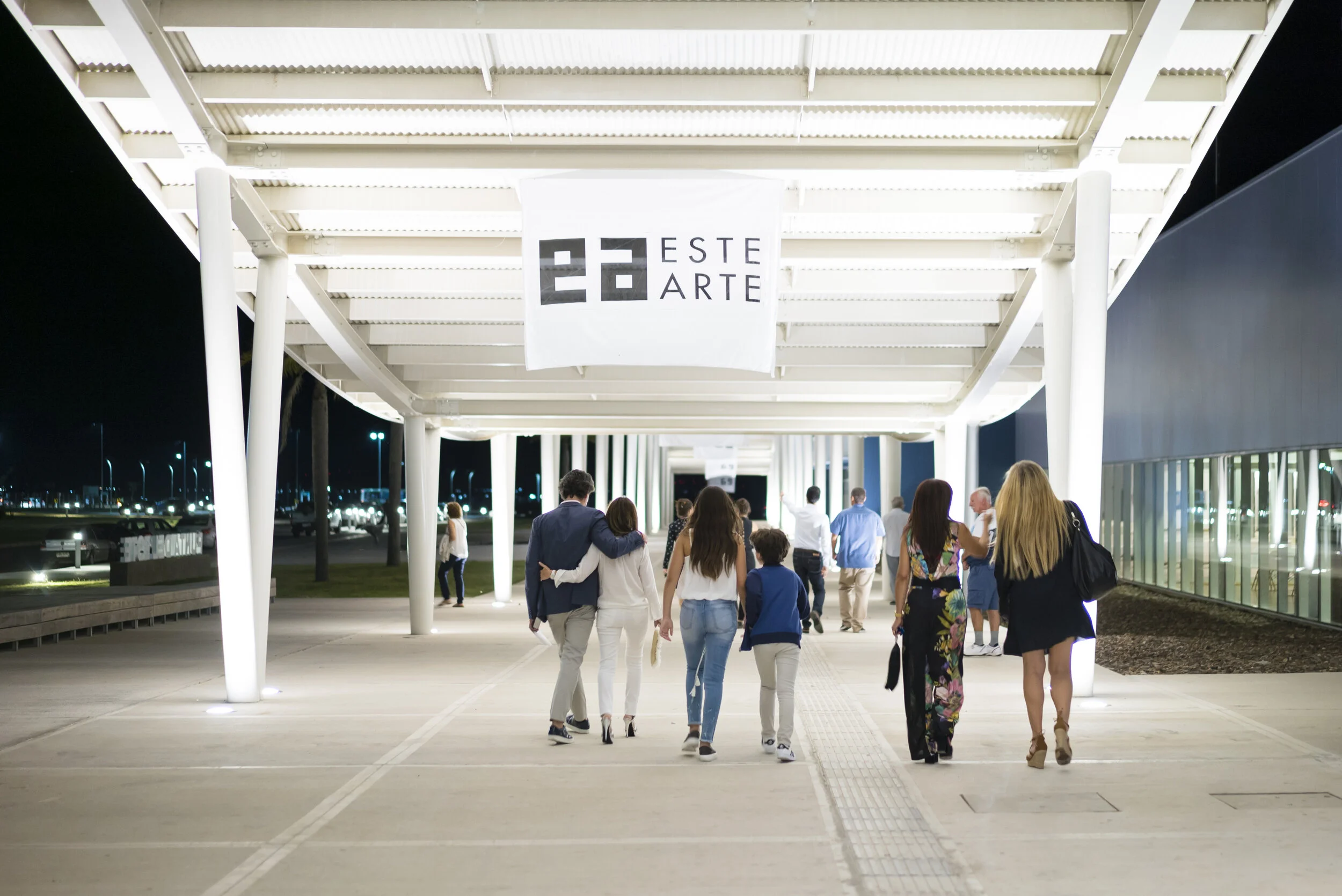

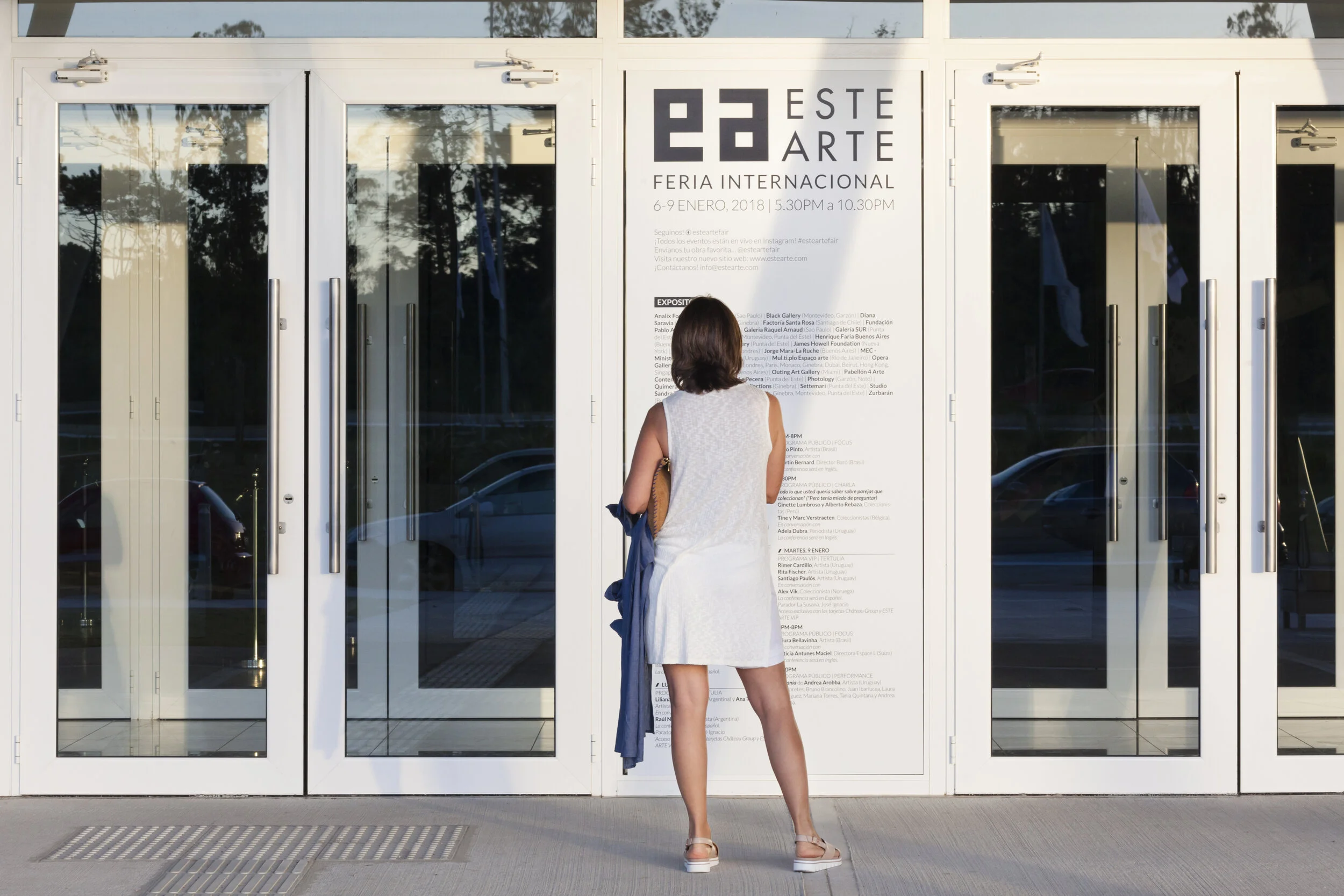
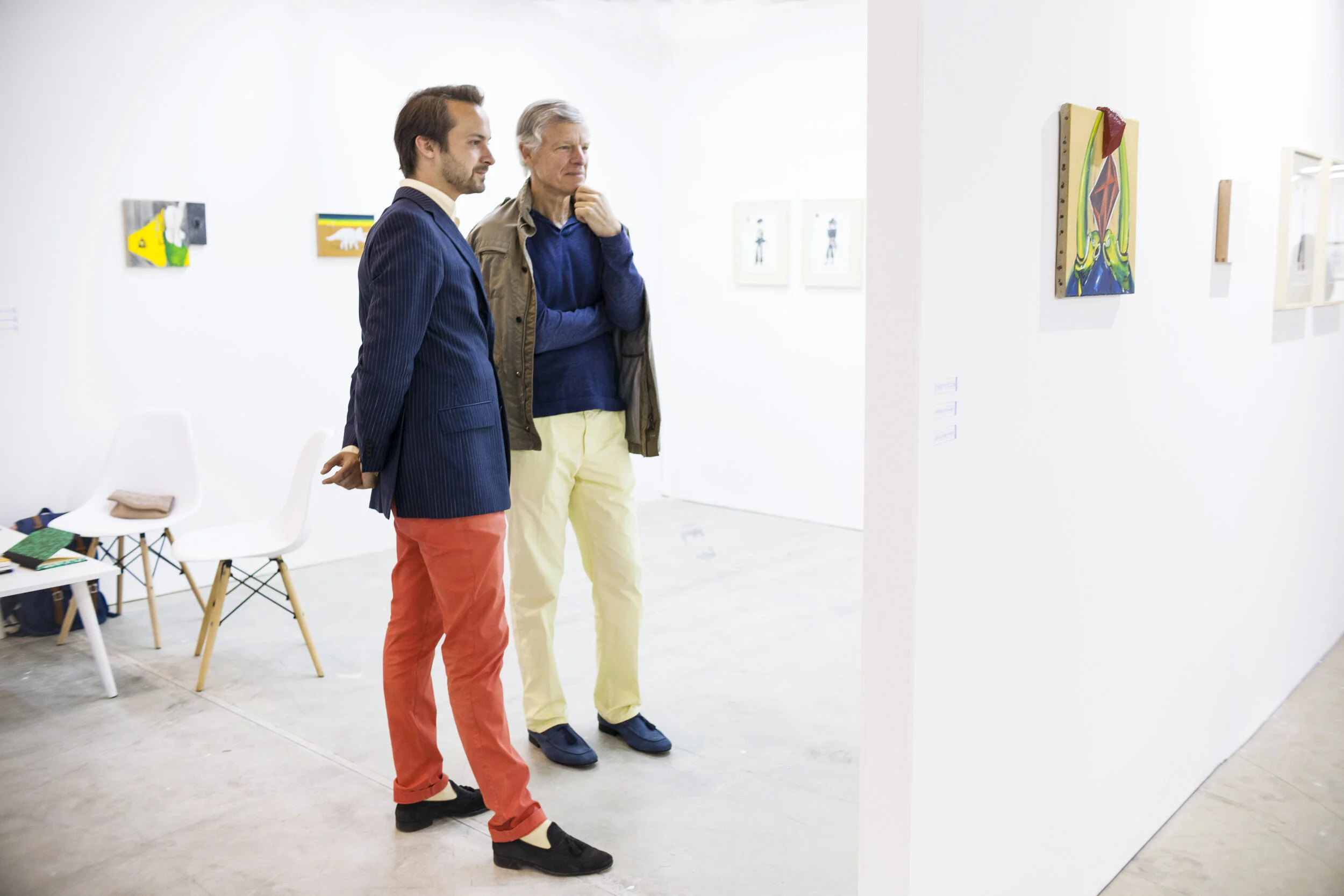
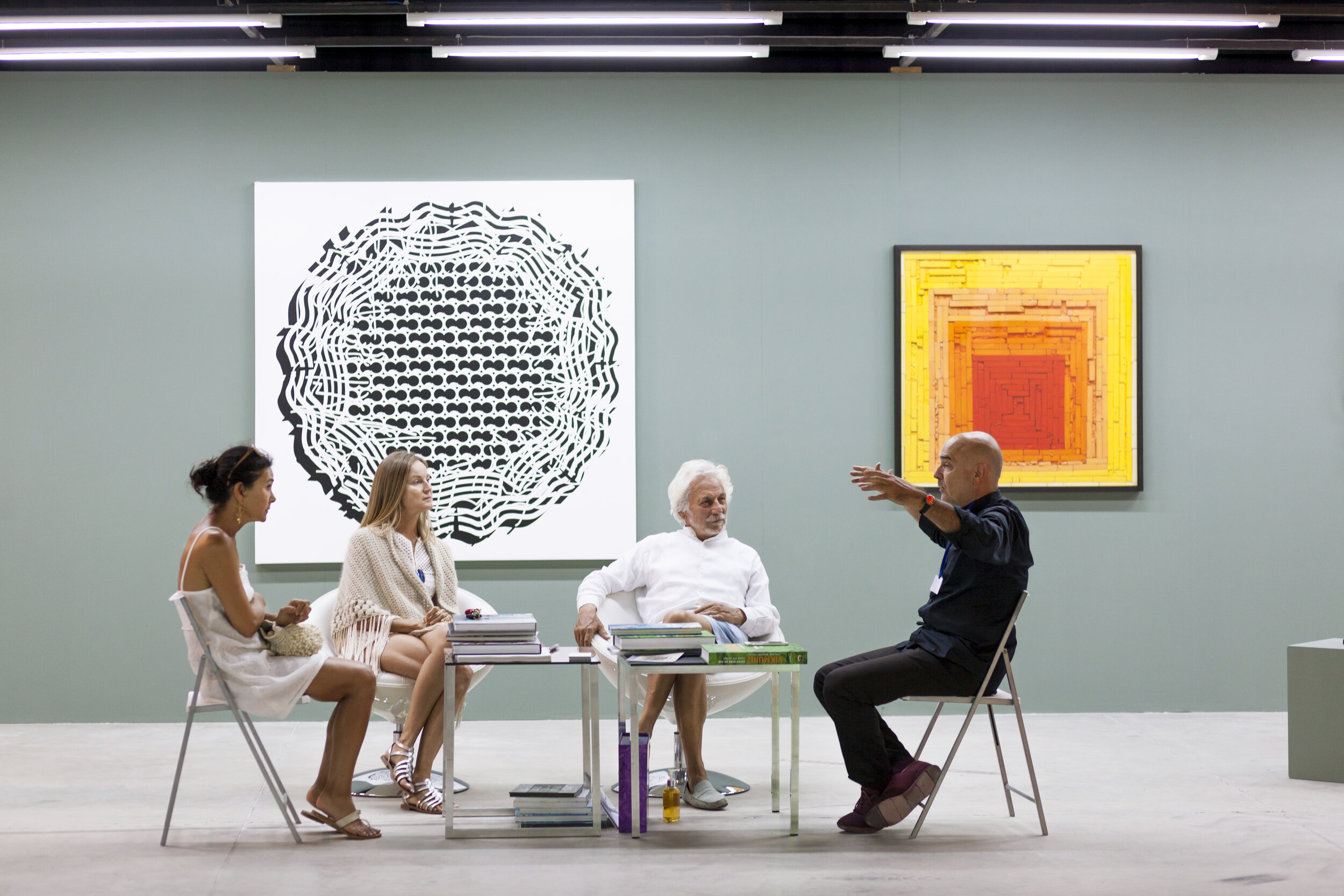

ESTE ARTE is a way of thinking about the world. For twelve years, we have chosen a human scale: fewer exhibitors, more unhurried time for each project, personal relationships, and attentive engagement. We invest in what is ours—supporting artists and galleries from the region, building connections across geographies, and cultivating collectors everywhere. We choose to do less in order to create greater impact, focusing only on what gives meaning to our path. Our purpose is clear: to build a viable art ecosystem—economically, socially, and environmentally—where artists, galleries, curators, and collectors can grow, work, and thrive together. In a world of overproduction and accelerated consumption, the fair continues to champion intimacy, excellence, and sustainability, creating a space where art is thought, shown, and lived in community.
NEW PROGRAM: ESTE OFFSITE
The new feature of this edition is ESTE OFFsite, a program that expands ESTE ARTE beyond the fairgrounds, activating spaces across José Ignacio, Punta del Este, and Garzón, and extending its presence throughout the year. OFFsite presents exhibitions, interventions, and special projects by participating galleries outside the traditional booth format, generating new connections between art, architecture, landscape, and community. From terraces and gardens to beaches and urban spaces, OFFSITE transforms the fair into an experience extended across time and territory—a living map of contemporary art in the southern hemisphere.
ESTE CHARLAS
The conversation program reinforces the fair’s critical and reflective spirit, strengthening its role as a platform for thought and dialogue. This year, Bonaventure Soh Bejeng Ndikung, director of Haus der Kulturen der Welt (Berlin) and curator of the recently inaugurated São Paulo Biennial, will participate in a special discussion organized with Fundación Ama Amoedo, focusing on networks of collaboration, symbolic repair, and the construction of collective futures in contemporary art. Likewise, Magalí Arriola, former director of the Museo Tamayo (Mexico City), will present a talk in collaboration with Fundación Cervieri Monsuárez, addressing the challenges and strategies of Latin American institutions in today’s global context. These encounters underscore ESTE ARTE’s commitment to uniting thought, practice, and community, fostering honest exchange among cultural actors from the South and from around the world.

FAIR | CURATORIAL VISION
The upcoming edition of ESTE ARTE is committed to a focused and equitable exhibition model. Each gallery will present a solo show by one artist, whether a single piece, an installation, or a coherent selection, highlighting the artist’s unique vision and strengthening the gallery’s narrative. All works are unseen, exhibited for the first time. Living artists will present new creations, while works by historical figures must demonstrate lasting cultural significance. Each participant receives the same space, ensuring equal visibility and conditions. In addition to their physical presentation, galleries will provide a digital format for in-depth engagement. New this year, off-site presentations expand the fair beyond its walls, featuring performances, outdoor sculptures, and other experimental formats. All proposals are reviewed by a Selection Committee of leading collectors and patrons.
-
In an exciting shift of the curatorial approach, each exhibitor will present exclusively one artist. This will allow for the display of a single artwork, an installation, or multiple pieces, as long as they all come from the same artist, thereby highlighting their uniqueness and creative voice.
-
We are pleased to announce that all the artworks on display are completely new and will be presented for the first time. For artists who are actively producing, it is a requirement that the works have not been previously exhibited in any galleries, museums, or other venues, ensuring a fresh and unique experience for visitors.
-
For artists who have passed away or are currently inactive, it is expected that their work holds historical significance, demonstrating a substantial impact on the development of a region, culture, or the art world in general. This will allow attendees to connect deeply with the artistic legacy.
-
This year, in addition to the solo presentation in the booth, we are introducing the possibility to showcase a second artist outside the traditional exhibition space. This additional work may be a performance, outdoor sculpture, sound piece, or video—formats that, by their nature, are not ideally suited to the fairgrounds.
-
It is essential that the projects address the question of how the works integrate into the current physical context. The works presented in physical format must align with their materiality, tangibility, physicality, perspective, and installation, creating a rich dialogue with the surrounding environment.
-
Each gallery must have all its works available in digital format. Additionally, they will be assigned a scheduled time for presenting their proposals in the program, as well as a specific space equipped with digital visualization technology to facilitate detailed business meetings.
-
If the exhibiting artist is physically present, a guided tour of their booth will be organized during opening hours, providing attendees with a direct and personal experience. If the artist is unable to attend, a virtual tour of their studio will be arranged, ensuring that their vision remains accessible to all.
-
The galleries have been selected based on proposals that are iconic and provocative, demonstrating both artistic quality and conceptual coherence. The influence and caliber of the artist or artwork will be evaluated based on its relevance in understanding the past, present, and future of artistic creation.
-
Each project must reflect the artist's unique vision and their contribution to the world of contemporary art. Special value will be given to works that have been created with consideration of the context of the platform in Uruguay, emphasizing ESTE ARTE's commitment to local culture and its development.

FAIR | SELECTION COMMITTEE
The exhibitors' proposals have been evaluated by a selection committee composed of six distinguished philanthropists and renowned collectors, both nationally and internationally.
The galleries have been selected based on proposals that are iconic and provocative, demonstrating both artistic quality and conceptual coherence. The influence and caliber of the artist or artwork will be evaluated based on its relevance in understanding the past, present, and future of artistic creation.
-
Philanthropist, art collector, and patron. For over two decades, she has actively supported artists, cultural agents, and numerous institutions independently, solidifying her presence with the creation of the Ama Amoedo Foundation, after many years of involvement in the contemporary art scene. She is currently a member of the Acquisitions Committee of the Latin American Circle of the Centre Pompidou (Paris), the Latin American and Caribbean Art Fund Committee at MoMA (New York), the International Committee and former president of the Arteba Foundation (Buenos Aires), the Friends Association of the Museo de Arte Moderno de Buenos Aires, and the International Advisory Board of Americas Society (New York).
-
Architect, art historian, and curator. With a degree in architecture from the Technion - Israel Institute of Technology (1991) and a Diploma in Art History and Heritage from the Claeh University (2021), she has a strong foundation in both design and cultural studies. Aline has been actively involved in continuing education at the Contemporary Art Foundation (FAC) since 2016, demonstrating her commitment to the contemporary art scene. She curated the exhibition "Precaria" for the 35th Season at the Contemporary Art Space (EAC) during the 2019-2020 season. Aline is also a passionate collector of contemporary and modern art.
-
Co-founder and manager of Magma, a dynamic space dedicated to fashion, design, and lifestyle. With a deep commitment to pushing creative boundaries, Elianne also co-founded Magma Futura, a platform that navigates the intersections of design, art, and technology, experimenting with the possibilities of future innovations. Through these projects, Elianne has consistently explored new horizons, merging aesthetics with innovative concepts.
-
Born in Paris, raised in Senegal, and moving to Europe during his university years, Mohamed has been extensively exposed to different cultures and forms of artistic expression. He is the founder of Okapi Energy Group, a commodities trading company based in Geneva with operations extending into Africa, and he also acquired the Norwegian company Manta Marine Technologies, covering the European market for the decarbonization of the shipping industry. Mohamed Julien Ndao began developing his passion for the arts 15 years ago through his friendship with gallerist Sandra Thireau-Recio in Switzerland. Mohamed was appointed Honorary Consul of France for the city of Rosario in Argentina, where he lives with his family. He is involved in various philanthropic and artistic initiatives through his company Okapi.
-
Patron and art collector who has played a significant role in the development of contemporary art in Peru and Latin America since the 1990s. He has actively supported artists, cultural agents, and institutions throughout the region. Alberto is the Vice President of the Museo de Arte de Lima (MALI), a member of the Latin American Board of the Guggenheim Museum, and a member of the International Acquisitions Council of the Reina Sofía Foundation. In 2015, he founded Residencia del al lado, an artist residency adjacent to his home, further solidifying his commitment to fostering the arts.

FAIR | EXHIBITORS
ESTE ARTE is a way of thinking the world. For 12 years, we have chosen the human scale: fewer exhibitors, unhurried time for each project, personal relationships, and tailored attention. We invest in our own, supporting artists and galleries in the region, and we seed across geographies, cultivating collectors everywhere. We choose to do less for greater impact, focusing only on what gives meaning to our path. Our aim is clear: to build a viable art ecosystem, economically, socially, and environmentally, where artists, galleries, curators, and collectors grow happy together.
We are thrilled to announce the exhibitors and artists presenting all-new artworks at ESTE ARTE from January 4 to January 7, 2026:
-
Vanderlei Lopes’s new body of work transforms aluminum into fluid form — puddles, folds, and hardened gestures that mimic discarded remnants of daily life. These sculptures inhabit the site with a double gaze: attuned to the coastal landscape of José Ignacio and haunted by historical and mythological echoes. His work opens a space where climate and consumption, politics and history, luxury and debris coexist in fragile balance — a meditation on transformation, impermanence, and the uneasy beauty of decay.
-
Germán Tagle’s landscapes are not representations of pure nature but cultural constructions where desire and memory intersect. Trees and plants appear as protagonists, evoking shifting lights and temperaments while exposing the fragility of natural resources. Closer to speculative fiction than to real nature, these fantastical settings oscillate between memory and invention, intuitive explorations of our relationship with landscape, form, and that which resists domestication.
-
Francisca Maya extends the legacy of Uruguayan geometric abstraction into the present, placing the circle at the center of a visual choreography. Her practice unfolds between spheres, pyramids, and cubes that cast shadows and imagine impossible landscapes, light boxes that hover between painting and sculpture, and works that shift with each viewpoint. Rather than static forms, these pieces invite movement and participation, transforming geometry into sensorial experience, playful expansion, and perpetual transformation
-
Leo Battistelli’s installation unfolds as an expanding universe across two visual hemispheres: to the left, the vibrant intensity of color; to the right, the ethereal calm of whites and transparencies. At the center, a suspended piece condenses the visible spectrum of light, embodying the chromatic energy that animates all living beings. Rooted in an ecological commitment to materials and a profound connection to the land, Battistelli’s works act as shields and bridges, gestures that invite us to perceive our interdependence with the universe and expand vision beyond the visible.
-
Pedro Tyler’s sculptures use measuring rules to approach the immeasurable. For over two decades, he has explored the paradox of systems designed to define what resists definition. In this presentation, his forms engage with the cosmological: suspended between the explainable and the enigmatic, where experience unfolds in both space and time. By breaking, bending, and assembling rules, Tyler evokes the paradox of black holes, identical in their perfection, yet forces of destruction. The installation becomes a field of collisions and echoes, a threshold where art and science meet in shared mystery.
-
Sebastián Saéz presents landscapes stretching from Brazil’s Atlantic Forest to Uruguay’s rivers and New York’s Central Park. Though geographically distant, they share a resonant emotional frequency. Born from childhood memories of light filtering through leaves and renewed during travels through the Peruvian and Colombian Amazon, Sáez’s vision of the natural world unfolds as a spiritual and sensory experience. Like a curtain about to part, his paintings suggest that behind the visible world breathes an enduring transcendence.
-
Diego Bianchi’s sculptures revisit the human figure, twisted, crouched, or assembled from fragments of urban life: broken sneakers, discarded clothes, trinkets, bronze, foam, epoxy. In this new series, the artist explores cement, a material that resonates with José Ignacio, where indoors and outdoors merge seamlessly. His sculptures can rest on sand, grass, or within domestic space, extending the project outdoors and underscoring the hybrid spirit of this series: bodies that persist between intimacy and openness.
-
Emil Lukas’s process-driven practice amplifies the complexity of abstraction through intuition and optics. Using accessible yet unconventional materials, he constructs experimental bodies of work that expand the perceptual possibilities of painting. His pieces align with artistic currents that explore phenomena of vision and sensation, offering not mere images but profound physical experiences of transcendence. In these works, Lukas questions the very mechanisms of image-making while evoking metaphors for universal, existential concerns.
-
Metz Brea’s sculptures unfold as living systems, interfaces where the affective, the corporeal, and the artificial converge into speculative forms of existence. Her works act as sensorial prostheses, fragments of non-normative anatomies that invent their own organs and possibilities. What emerges is not a narrative of origin or refuge, but a rhizomatic network of technorganic affects: bodies without organs, mutable and desiring. Metz Brea conceives sculpture as a zone of contact between the intimate and the alien, where subjectivity is never fixed but continually reconfigured.
-
Ulises Beisso (Montevideo, 1958–1996), during a brief yet prolific career, produced more than three hundred works through which he sought to subvert the established order from within figuration. The significance of his legacy lies in having anticipated, in terms of identity, the debates around dissidence and diversity within the Río de la Plata’s cultural context of the 1980s and early 1990s. Following the successful presentation of his retrospective at MALBA (Buenos Aires) and ahead of his upcoming solo exhibition in New York, W—Galería presents a selection of his most significant works, underscoring the strength and contemporary relevance of his artistic vision.
-
Vicente Grondona’s presentation opens a dialogue between classical traditions of drawing, painting, and modern sculpture, and new territories of experimentation in contemporary Argentine art. His practice is grounded in invention and constant material exploration: charcoal, wood, pigment, oil, aniline, and carbon dust merge with resin, cement, and varnish, creating tension between the raw expression of matter and the artist’s imprint. Moving fluidly between the graphic and the sculptural, Grondona constructs an imaginary populated by humans and landscapes, infused with themes of love, solitude, and nature.
-
Ofrendas is a series of wall sculptures that delve into spirituality and ritual practice, drawing inspiration from India’s symbolic traditions. Each piece acts as a fragment of a larger whole, echoing the rhythm of daily rituals, the murmur of mantras, the fragrance of flowers, the glow of candles. Together they form a visual liturgy: a constellation of fragments aligned in ceremony. Rapela’s Ofrendas emerge as acts of giving and quiet devotion, mapping the fragile yet resilient cartography of the human soul.
-
Lola Goldstein’s presentation is centered on the very act of creating, painting, drawing, modeling. Her practice hovers between form and content, unfolding as an open and continuous search. Oils oscillate between geometry and atmosphere; pastels and flowers appear directly on the wall; a ceramic garden anchors the installation. Stems and seeds bear the traces of human catastrophe yet also an absurd, almost desperate humor. Goldstein weaves the tragic and the playful into works that offer no certainties, only the persistence of mystery.
-
Heloisa Crocco’s work explores the intersections of space and scale, material and sensorial experience, the organic and the industrial. Since her explorations of the Amazon in the 1980s, the artist has perceived the same pulse of life in the vein of a tree trunk as in an entire biome. Her practice affirms the unity of nature and humanity, reclaiming discarded wood and transforming it into new cycles of life. Rooted in the legacy of concretism yet guided by the senses, Crocco restores to art an embodied experience that digital culture forgets.
FAIR | ESTE OFFSITE
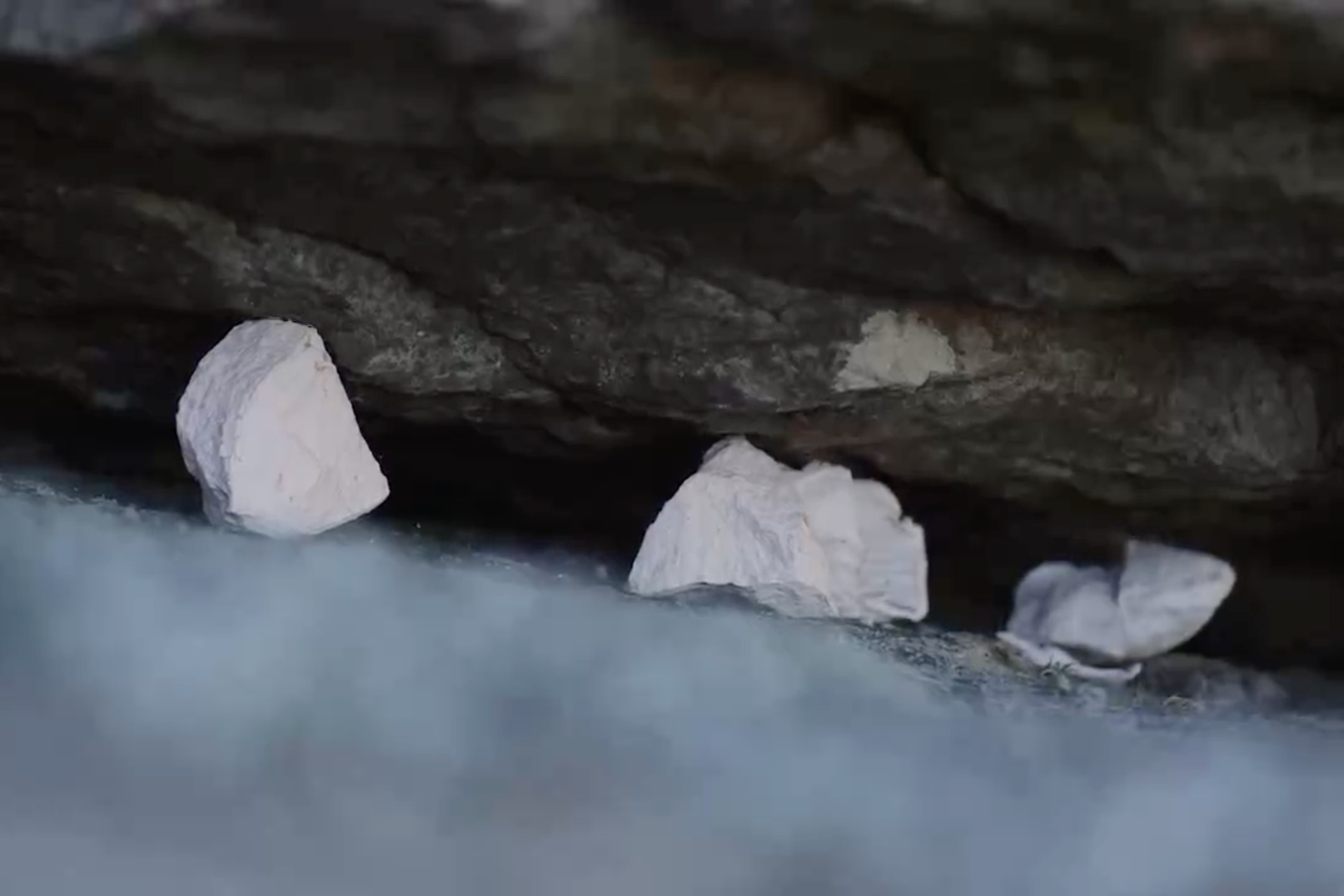
This year, in addition to the solo presentation in the booth, we are introducing the possibility to showcase a second artist outside the traditional exhibition space. This additional work may be a performance, outdoor sculpture, sound piece, or video, formats that, by their nature, are not ideally suited to the fairgrounds.
-
Marcela Cabutti (Argentina, b.1967) studied at the National University of La Plata, where she earned a Bachelor’s Degree in Sculpture and a Professorship in Art History. Between 1995 and 1996, she took part in the Taller de Barracas (sculpture, installation, and objects), directed by Luís F. Benedit and Pablo Suárez with the support of the Antorchas Foundation. The same foundation supported her Master’s studies in Design and Bionics at the Centro di Ricerche of the Istituto Europeo di Design in Milan, Italy, as well as her 1998–1999 residency at Delfina Studio Trust in London, England. In 2000 she received a Médicis Foundation grant to participate in the artists’ residency at Duende Studios in Rotterdam, the Netherlands. That same year, she took part in a program initiated by the Centro Cultural Recoleta to undertake a residency at Columbus College of Art and Design (Ohio, United States), working in blown glass—an experience she had begun years earlier with the artist Pino Signoretto in Murano, Venice. Between 2013 and 2014, she served as General Coordinator for the Artist Residency program “Art and Industry” at the Museo del Ladrillo, Fundación Espacio Ctibor.
-
Federico Lanzi studied at the R.L. Carnelli Institute of Visual Arts in Paraná, Entre Ríos, Argentina. He attended the Artists’ Program at Torcuato Di Tella University in 2011, was a participant at the Center for Artistic Research (CIA) in 2010, and took part in the Visual Arts Clinic at the Rojas Cultural Center in 2007.He has received awards in Argentina and grants from the National Arts Fund, the Antorchas Foundation, and the Bank of Entre Ríos, among others.His work has been exhibited in galleries, institutions, and museums.
-
Born in 1982 in Amsterdam, the Netherlands, Nase Pop currently lives and works in Argentina. He began painting graffiti at a young age in the newly built city of Almere, developing his practice over nearly twenty years before relocating to Buenos Aires in 2008. His artistic trajectory began in the 1990s, a pivotal moment marked by the transition from the analog to the digital world. This shift deeply influenced his work. Moving away from traditional graffiti techniques, he began incorporating a digital aesthetic that led him to explore new materials, geometric forms, and expanded color palettes. This hybrid sensibility—rooted in street culture yet informed by design—continues to shape his practice today. After years of developing large-scale graffiti interventions, Nase Pop turned to smaller studio formats, driven by an interest in abstraction and architectural structure. His move to Buenos Aires, where the urban landscape sharply contrasted with that of the Netherlands, profoundly impacted this phase. The city’s visual density, informality, and spatial complexity became catalysts for new formal investigations. In recent years, his practice has expanded into sculpture, working with materials such as wood and metal. These three-dimensional pieces extend ideas explored in his paintings, translating abstract planes and digital-influenced geometries into physical space. Despite this shift, the urban origin of his work remains central. Across murals, graffiti, sculptures, and hybrid objects, he consistently explores visual disruption—creating interventions that distort, interrupt, or reframe the surrounding environment.
-
Ishmael Randall-Weeks (Peru, b. 1976).
Lives and works between New York and Peru. He received his Bachelor of Arts from Bard College, Annandale-on-Hudson, New York, in 2000, and later studied at the Skowhegan School of Painting and Sculpture in 2007.His work has been exhibited in numerous galleries and museums in Peru and internationally, including the Middlesbrough Institute of Modern Art, England, UK; MoMA P.S.1, New York, USA; the Museum of Contemporary Art, Lima, Peru; the Centro Cultural de España (CCBBA), Buenos Aires, Argentina; The Drawing Center, New York, USA; the Lima Art Museum (MALI), Peru; MACRO Museum | Museo d’Arte Contemporanea di Roma, Rome, Italy; the Museo de la Nación, Lima, Peru; the Museum of Arts and Design, New York, USA; Museo del Banco de la República, Bogotá, Colombia; Fondazione Cassa di Risparmio di Modena, Bologna, Italy; The Drawing Room, London, UK; The Bronx Museum of the Arts, New York, USA; and the Museum of Fine Arts, Boston, USA, among others.
His work has also been included in the Havana Biennial; the 9th and 14th Cuenca Biennials; the 6th edition of El Museo del Barrio’s Biennial, New York; as well as Greater New York 2010 at MoMA P.S.1, among others.
He has received numerous residencies and awards from various institutions, including The Rockefeller Foundation; MACRO Museo d’Arte Contemporanea, Rome, Italy; the Cisneros Fontanals Art Foundation Mid-Career Award; The Foundation for Contemporary Arts, New York; NYFA, New York; Art Matters, New York; Kiosko, Santa Cruz, Bolivia; El Museo del Barrio Biennial, New York; La Curtiduría Art Center, Oaxaca, Mexico; and Fundación/op.cit, Mexico City, Mexico.
-
Diego Bianchi was born in 1969 in Buenos Aires, Argentina, where he still lives and works. His work is composed of visually transgressive materials, bringing together discarded objects such as chairs, pipes, electronic devices, and molds of body parts. His practice spans sculpture, installations, video art, photography, and performative elements, through which he examines both aesthetic norms and sociopolitical questions.Bianchi focuses on the formal—and largely chaotic—traces of consumerism, particularly the aftermath of neoliberal economic damage. One of the dominant themes in his work is the use of the human body as both an artistic and constructive element. He proposes an apotheosis of everyday situations, revealing the overflow of human excess and the anarchic order it produces. Among other grants and awards, he won the Visual Arts Competition – Fondo Nacional de las Artes Premio Azcuy, Museo de Arte Moderno, in 2019. His recent exhibitions include Syntactic Tactic, Centro de Arte Dos de Mayo, Madrid, Spain, 2022; Performance Biennial 2021 (B.P.21), Museo Nacional de Bellas Artes (MNBA), Buenos Aires, Argentina, 2021; Sauvetage Sauvage, Galerie Jocelyn Wolff, Romainville, France, 2020; The Stomach and the Port, 11th Liverpool Biennial, Liverpool, United Kingdom, 2020; and BIENALSUR, Córdoba, Argentina, 2019.
-
Valentín Asprella Lozano was born in 1986 in the city of La Plata, Buenos Aires, Argentina. He holds a degree in Visual Arts and is a specialist in landscape planning. He is the director of Estudio Flux—a studio dedicated to habitat design through a landscape-based approach—and is also a member of the artist collective M.O.N.T.ó.N. His work has been recognized with the Región Award from Fundación OSDE (2023) and the Acquisition Award at the Provincial Salon of Visual Arts (2022). He has also participated in the Artist-in-Residence Program in Argentina’s National Parks. He began his artistic training in the studio of Fernanda Piamonti and later took part in clinics with Andrés Labaké, Ananké Assef, and Diana Aisemberg. His practice brings together art, landscape, and habitat design, exploring the intersections between sculpture, environment, and ecology. In his work, art and territory converge to imagine new ways of inhabiting and perceiving the landscape.

CULTURAL SUMMIT | ESTE CHARLAS
Since its first edition, ESTE ARTE has played a key role in shaping a dynamic and vibrant cultural ecosystem, fostering meaningful dialogue and a deeper understanding of contemporary artistic practices. The ESTE ARTE Cultural Summit brings together leading curators, artists, and cultural thinkers, creating a platform for critical debate and reflection at the forefront of contemporary art. This year, the invited curators Bonaventure Soh Bejeng Ndikung (Haus der Kulturen der Welt) and Magalí Arriola (independent curator), who are visiting Uruguay for the first time on the occasion of ESTE ARTE, will offer an exceptional lecture in which they will share their cultural strategies and perspectives on artistic creation. In addition, we will host a panel conversation with the representatives of the national pavilions for the 61st Venice Biennale: Patricia Bentancur, Curator of the Uruguay Pavilion; Dermis Leon, Co-Curator of the Chile Pavilion; and Andrea Alba González, Commissioner of the Argentina Pavilion.
-
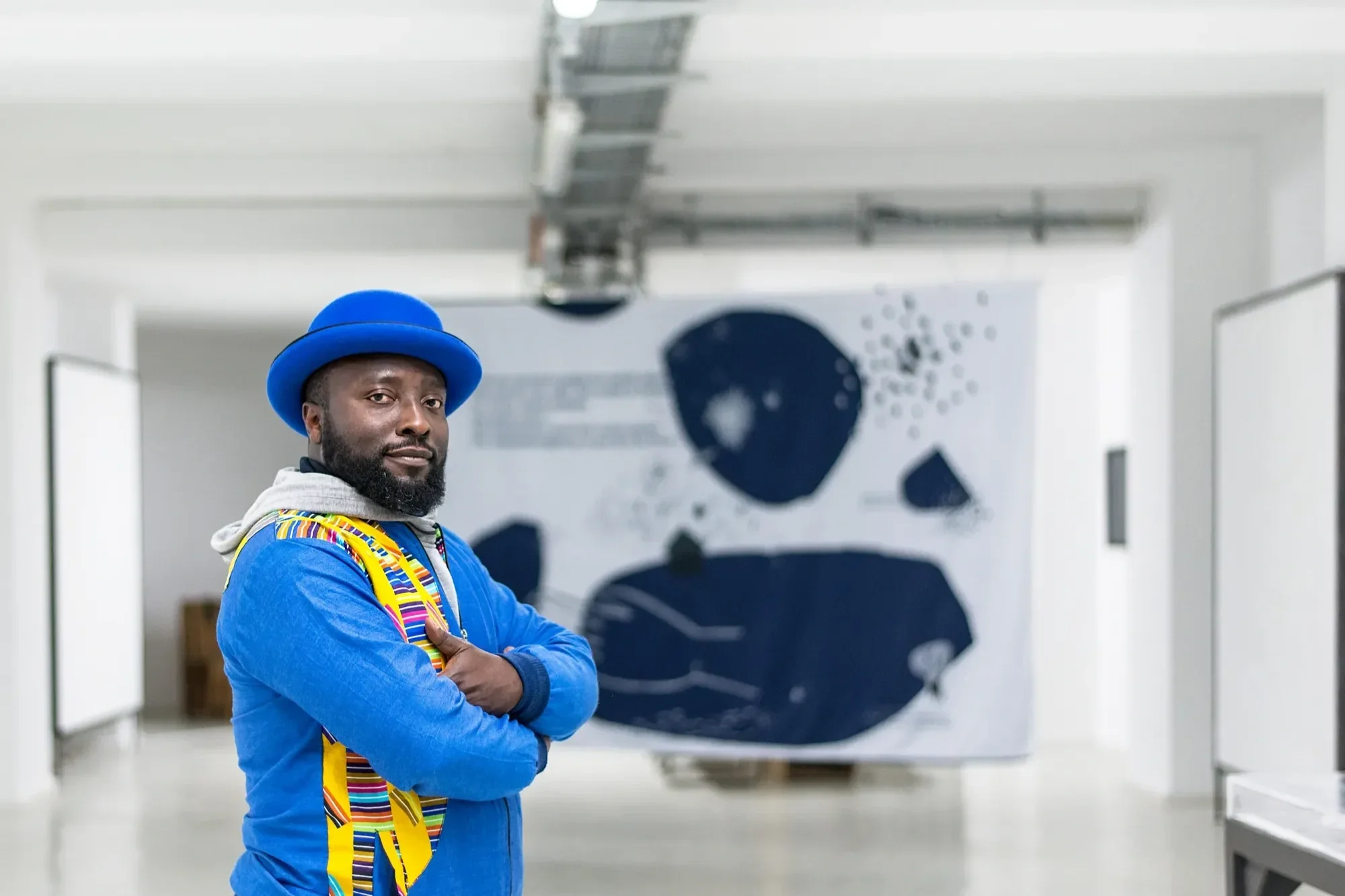
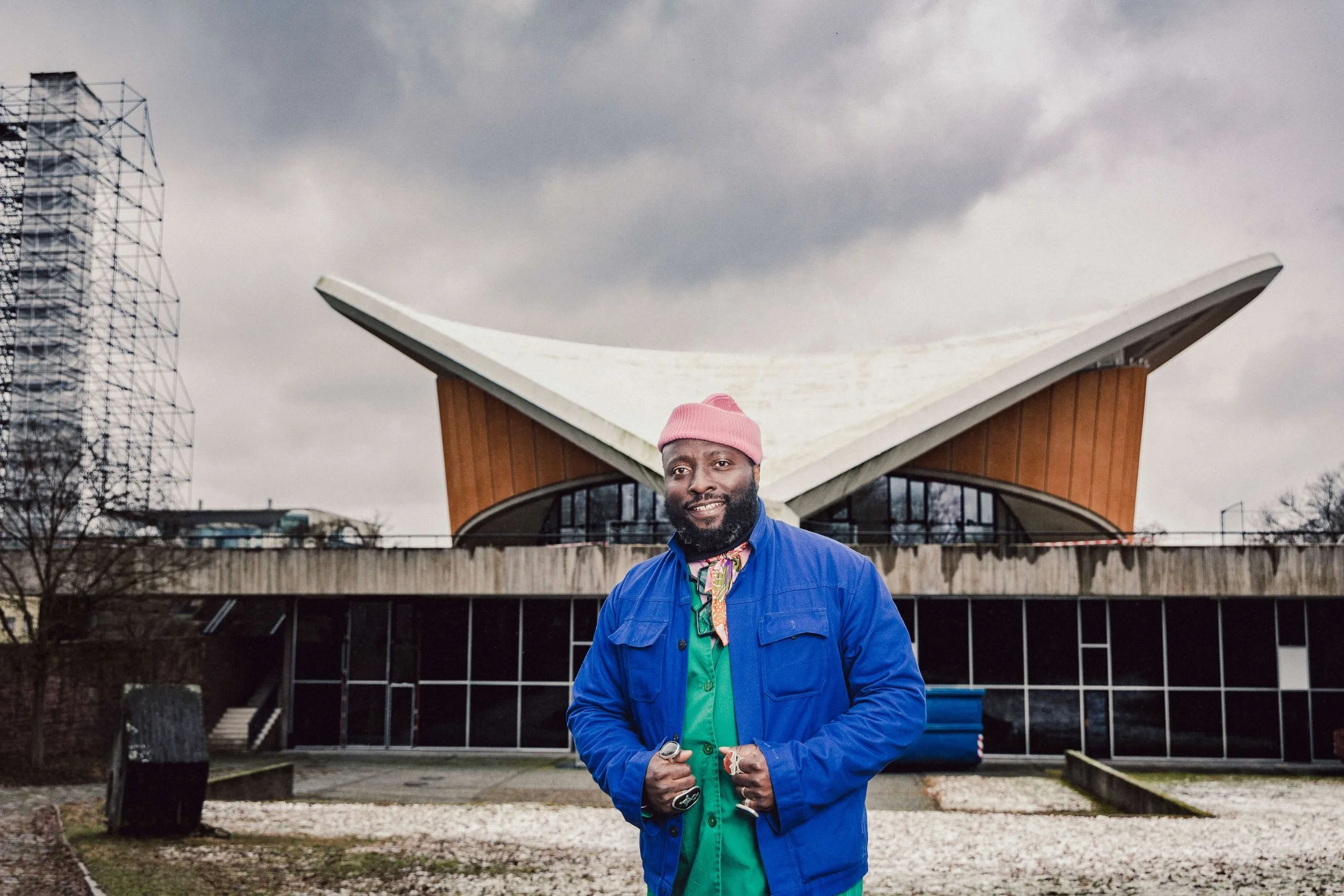
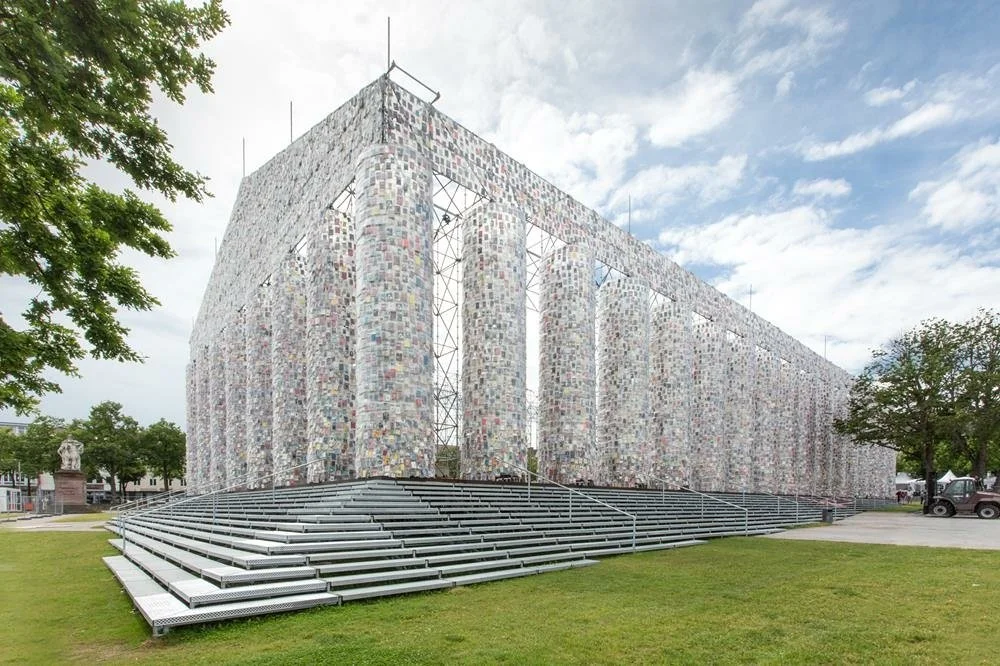
Curator, writer, and biotechnologist based in Berlin. He is currently the Curator of the 35th Bienal de São Paulo (2025) and the Director and Chief Curator of Haus der Kulturen der Welt (HKW), Berlin, and founder of SAVVY Contemporary, a space that has redefined Berlin’s cultural landscape through its engagement with postcolonial thought and artistic experimentation. Ndikung has served as Artistic Director of sonsbeek20→24 and as curator-at-large for documenta 14. His work challenges Western epistemologies and advocates for plural narratives in art, science, and society.
-
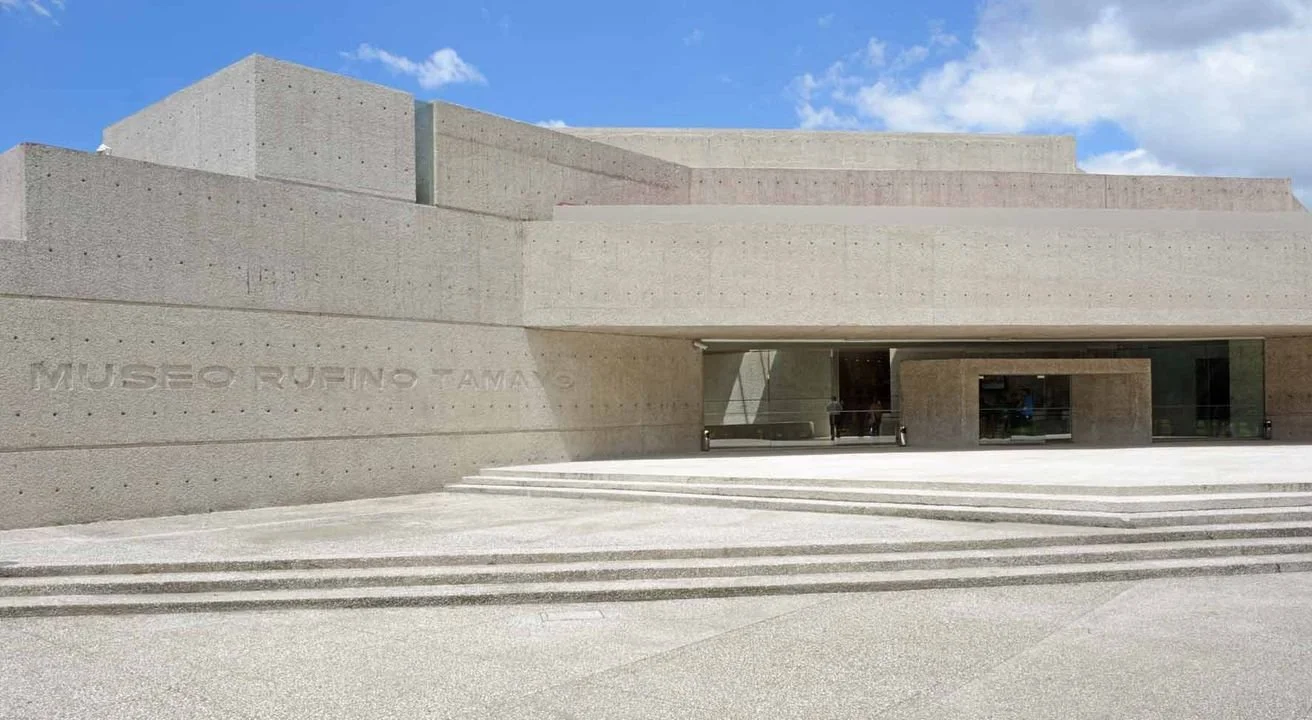
Curator and writer based in Mexico City. Since 2019, she has served as Director of Museo Tamayo, where she has led a dynamic program bridging Latin American and international contemporary art. Previously, she was Curator at Fundación Jumex Arte Contemporáneo and Curator-in-Residence at the Wattis Institute for Contemporary Arts, San Francisco. Arriola has organized major exhibitions for artists such as Roman Ondák, Pierre Huyghe, Guy Ben-Ner, and Allora & Calzadilla, and was curator of the Mexican Pavilion at the 58th Venice Biennale (2019). Her work often explores the intersections between art, politics, and material culture in global contemporary practice.
-
Cultural Policy, Curatorial Frameworks, and Strategies for International Projection
Participants:
Patricia Bentancur, Curator, Uruguay Pavilion
Dermis Leon, Co-Curator, Chile Pavilion
Andrea Alba González, Commissioner, Argentina Pavilion
Moderated by Laura Bardier, Director of ESTE ARTE
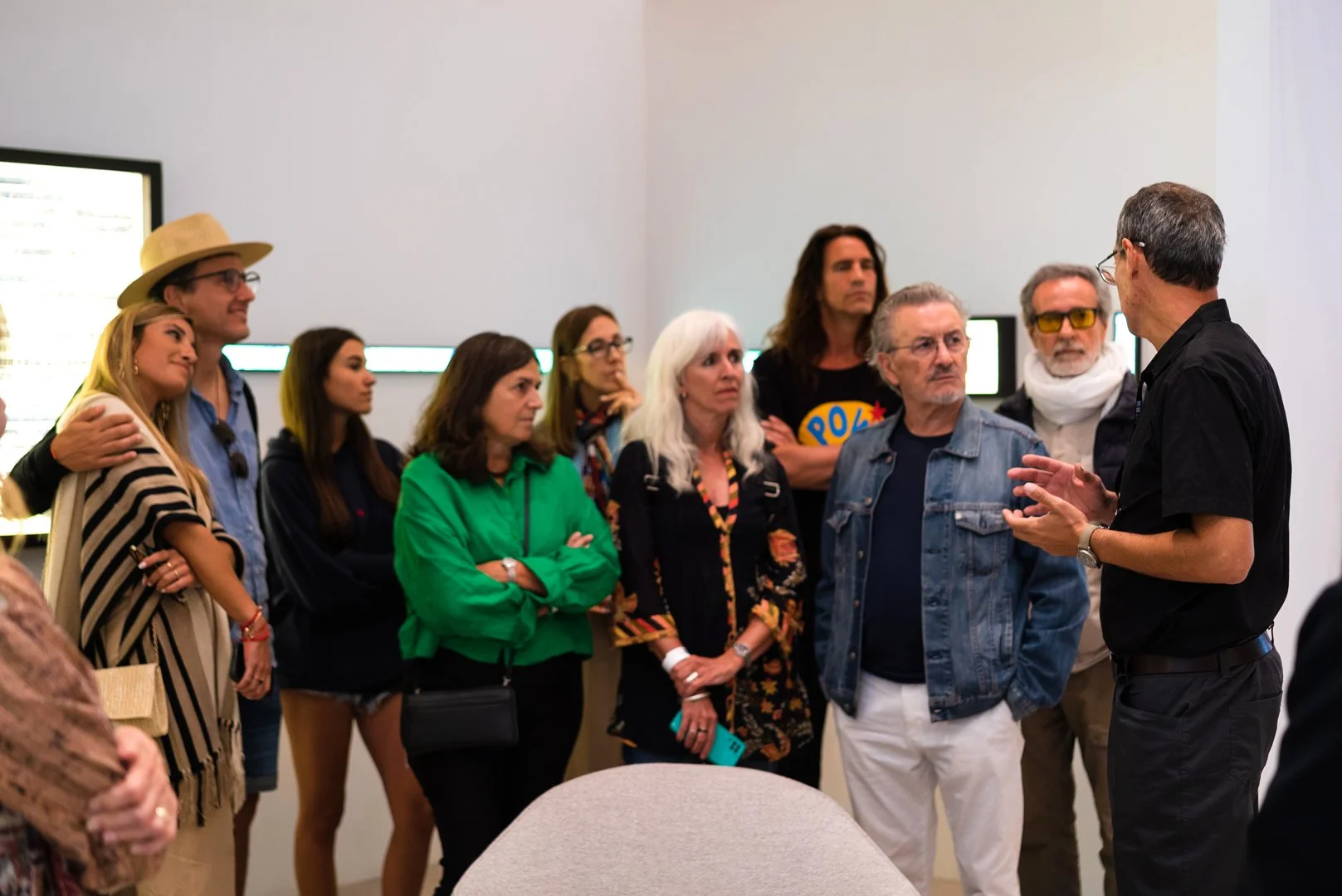
CULTURAL SUMMIT | ESTE FOCUS
Each participating artist will present their work and creative process in person, transforming each encounter into an intimate conversation and a unique window into contemporary practice. These artist talks, a rare privilege in the context of an art fair, allow visitors to experience the works through the voices of their creators, deepening connections.
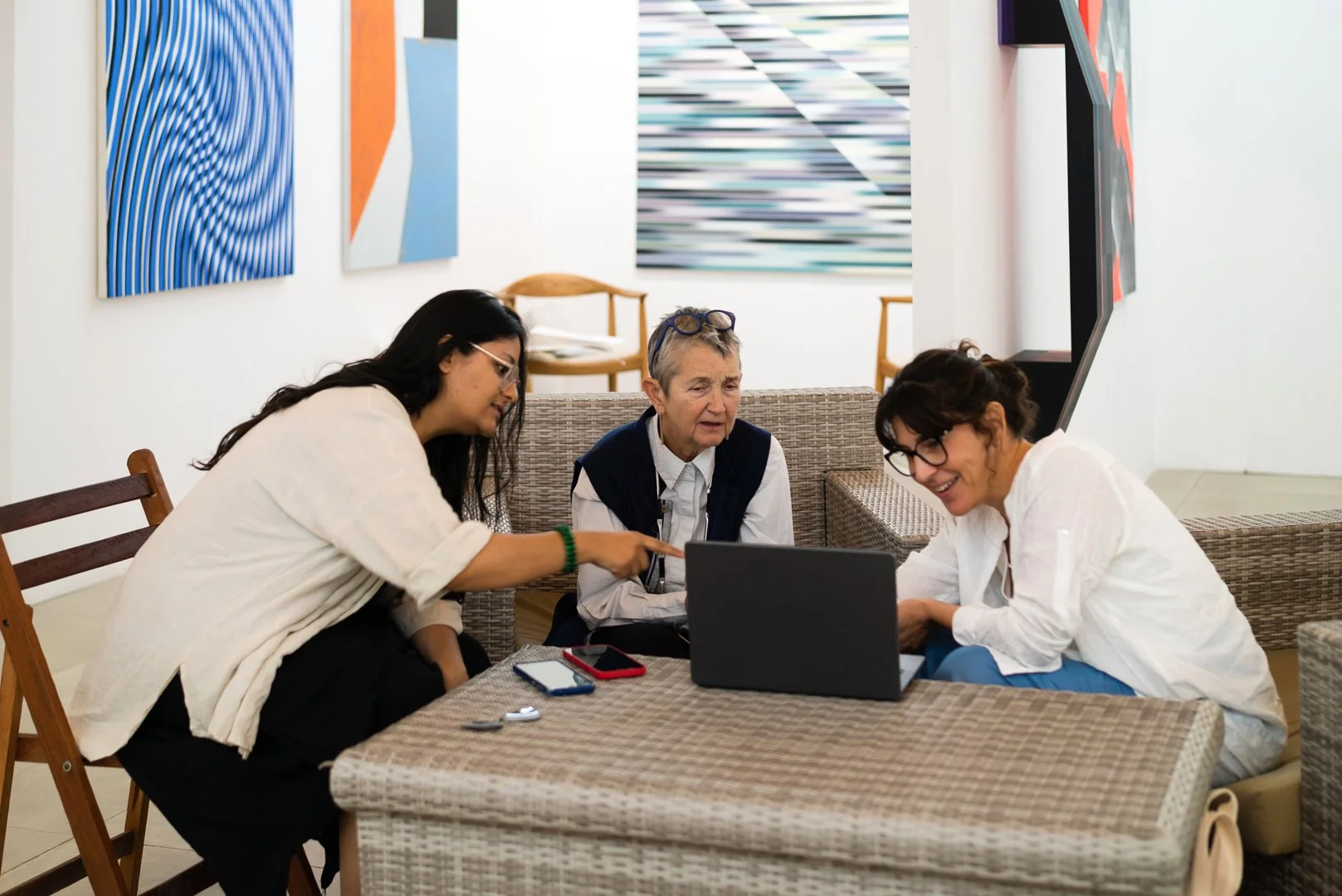
CULTURAL SUMMIT | ESTE ARTISTA
ESTE ARTE, thanks to Laura Bardier, Margarita Baptista, and Nadia Cheirasco, presents ESTE ARTISTA, a free professional development program connecting Uruguayan artists with internationally recognized curators. Through one-on-one portfolio reviews, artists engage in direct dialogue, strengthen their practice, expand networks, and enhance their visibility within the international art community.
The artists will have the opportunity to review the portfolios of Uruguayan artists, whether represented by galleries or not. This initiative drives the development of culture and visual arts, creating a sustainable professional environment and enriching the life of our society.
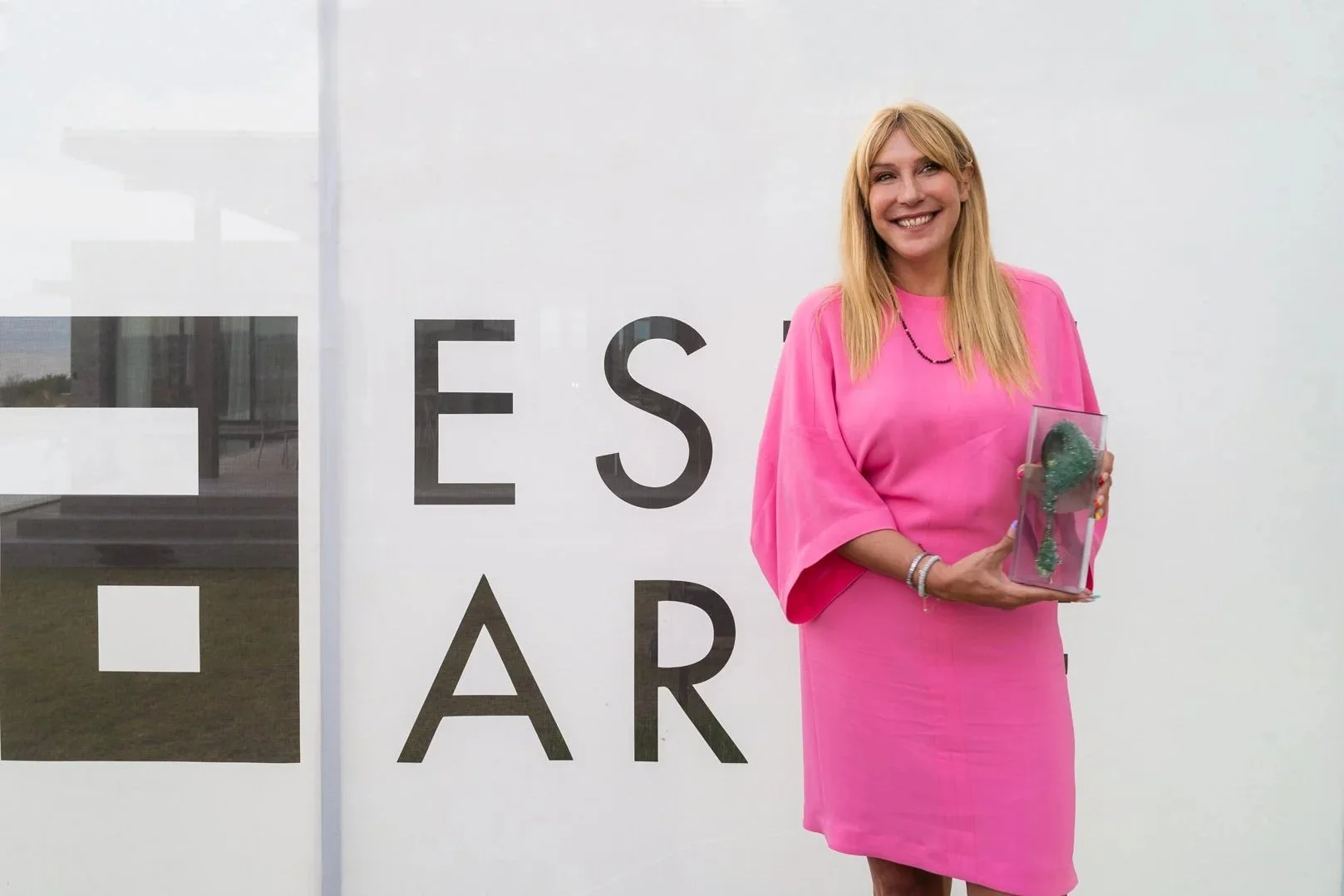
CULTURAL SUMMIT | ESTE PREMIOS
ESTE X DON BAEZ ACQUISITION AWARDS
ESTE ARTE and Don Baez present the second ESTE Don Baez Acquisition Award for the purchase of an artwork valued at up to USD 10,000 exhibited at ESTE ARTE. This prize is fully funded by Claudia and Diana Weiss, renowned businesswomen, collectors, and art patrons. In this inaugural edition, the jury will be composed of Claudia Weiss, president of Don Baez; Diana Weiss, patron of the organization, lawyer, and art collector; and Laura Bardier, art historian, independent curator, and director of ESTE ARTE. The jury will select a single work—chosen from all participating galleries and artists of the 10th edition of ESTE ARTE—which will enter the Don Baez Collection.
ESTE X LAETITIA AWARDS
ESTE ARTE presents the third edition of the ESTE Laetitia Philanthropy Award by ESTE ARTE, which honors individuals and organizations dedicated to the creation and dissemination of art in Uruguay. This award acknowledges the invaluable support provided to the promotion and preservation of the country’s cultural heritage. It is a recognition of the significant role of patronage and commitment to the development of the visual arts within the local scene. The prize is named in honor of Laetitia d’Aremberg, one of Uruguay’s foremost cultural patrons. The ESTE Laetitia Prize jury includes: Laura Bardier (ESTE ARTE), Martín Castillo (Galería SUR), Silvia Arrozés (Galería del Paseo), Renos Xippas (Xippas).
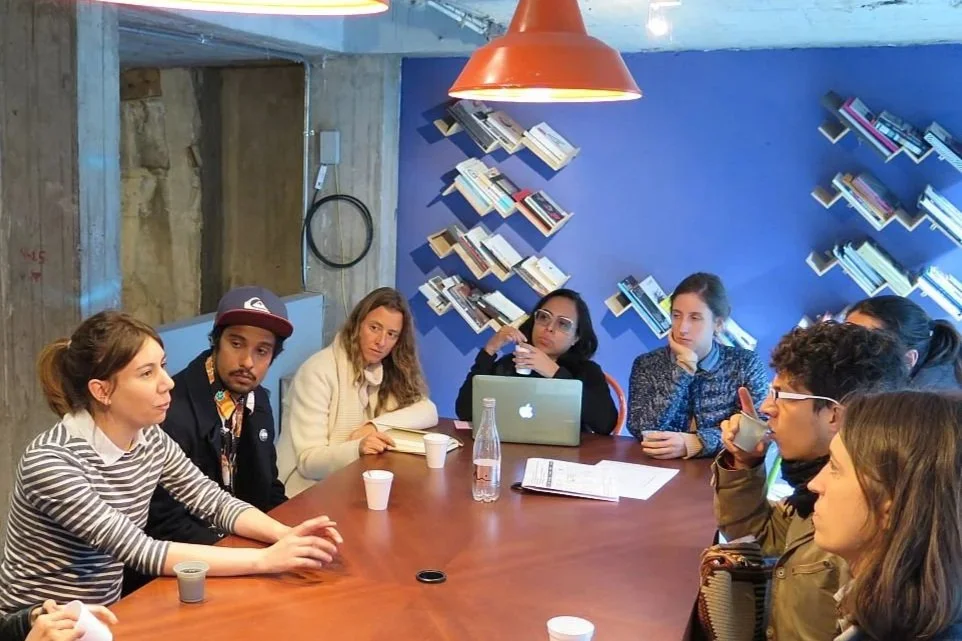
ESTE ARTE X Independent Curators International
ESTE ARTE, in collaboration with Independent Curators International (ICI), presents the Curatorial Intensive Montevideo 2026, taking place March 14–21, 2026 in Montevideo, Uruguay. This weeklong professional development program brings together curators from around the world for seminars, workshops, and peer-led exchanges focused on strengthening curatorial practice in Latin America.
Applications are open until November 19, 2025.
Further info HERE.
ABOUT ESTE ARTE
Under the direction of Laura Bardier, it has established itself over the past decade as the most significant meeting point for contemporary art in the region, bringing together leading artists, galleries, collectors, curators, and institutions from across Latin America and beyond. More than an art fair, it is a curated cultural platform that fosters meaningful encounters between art, ideas, and community. Since its foundation, we have promoted a model rooted in social, economic, and environmental sustainability, while reinforcing Uruguay’s position as a cultural hub. Each edition reaffirms its commitment to dialogue, collaboration, and long-term vision, aligning art with values of care, reflection, and integrity.
ABOUT LAURA BARDIER
Director and founder of the ESTE ARTE art fair, Laura also leads the James Howell Foundation in New York. Previously, Bardier held key positions in the Cultural Department of the Municipality of Naples (Italy) and in prominent private collections in the United States. She has curated exhibitions in Uruguay, Italy, and the United States; her writings on contemporary art have been published in Domus Magazine, Arte al Día, Review, and Infonegocios. Bardier was a member of the National Visual Arts Committee of Uruguay and is a board member of ArtTable, ICI - Independent Curators International, and Creative Capital.
“For twelve years, ESTE ARTE has cultivated its own rhythm: slower, intentional, and deeply grounded. Our aim has always been to create a space where art and people can truly meet, with time, attention, and depth.”— Laura Bardier, Director, ESTE ARTE
ESTE ARTE
is a collaborative effort
Once again, ESTE ARTE offers a rich cultural program in collaboration with various national and international institutions, reflecting and promoting the importance of collaboration.